
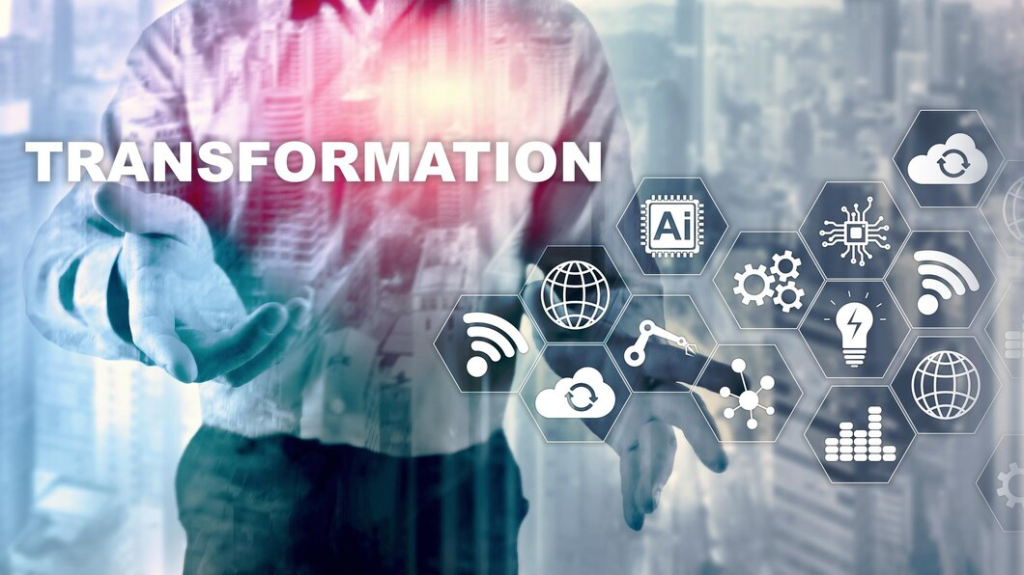
Digital transformation refers to the adoption of digital technologies to transform an organization, its practices, workplaces and strategies. Each transformation program is unique and focuses on different goals, from improving business performance to overhauling the customer experience.
One of the key points to emphasize is that digital transformation is not the same as software implementation. Software implementation is undoubtedly a key component of any digital transformation program. However, simply introducing a new tool does not have a significant impact on your business.
With the advent of digital technologies such as the internet and mobile phones, the focus has shifted to digital transformation. Between 1995 and June 2020, the number of Internet users increased from 16 million to about 4.7 billion. In addition to this expansion, the constant development of technology has opened up new markets and enabled entirely new forms of value. The result is widespread digital innovation and transformation.
Catalysts for digital transformation
For years, digital innovation has disrupted and transformed the entire global economy. Technological advances enable new products, services, and forms of value that enable revolutionary changes that disrupt markets.
As a result, individual companies and even entire industries have evolved, forcing many organizations to adopt new technologies, workflows and business models.
Here are some catalysts that will drive change and influence your digital transformation strategy.
Performance improvement. One of the most common goals of digitally-enabled business transformation initiatives is to improve performance. The logic is simple; New technologies can improve business performance, increase profit margins, and create competitive advantage.
Competitive pressure. Many companies engage in digital transformation only after their competitors have taken the first step. This makes sense because transformation is no small endeavor. But people who respond to external pressures rarely become digital leaders and innovators. Gaining market share requires acting early and investing aggressively.
Customer expectations. People’s needs, expectations and behaviors can be influenced by many factors, from technological advances to world events. To meet these changing expectations, businesses must implement new customer experiences. For example, as mobile technology has become more prevalent, customers have turned to companies that offer better mobile and multi-channel experiences. Organizations that can do this may have an advantage over those that do not.
Overall, IT spending declined in 2020 as a result of the COVID-19 pandemic. But despite the financial downturn, the pandemic has spurred growth in some tech-related sectors and accelerated the digital transformation of many companies. The adoption of digital will continue to rise and will provide businesses with stay relevant and future proofing.
Conclusion:
The digital revolution has just begun and will continue to grow in the coming years. Some suggest that the next industrial revolution will combine digital technology with physical and biological technology. As per Deloitte, American restaurant chain Chipotle has added more customizable ordering features to its mobile app. In the next two quarters, digital sales increased more than 100% year over year. Given these disruptive technology trends and its positive impact, it’s no surprise that businesses are embarking digital journey.
To succeed in digital economy, businesses must face challenge, adopt new technologies, train workforce, and embrace digital transformation. Yes, live digital or die!
#DigitalTransformation #DigitalDisruption #Technology #PerformanceImprovement #CompetitiveAdvantage #CustomerExpectations
#Strategy #Management #Consulting #Transformation #Technology #Outsourcing #CreativeDisruptions #EternalQuest #FindingTruth
 Randomness Pattern